Acne and Acne Scar

Acne Scar Treatment

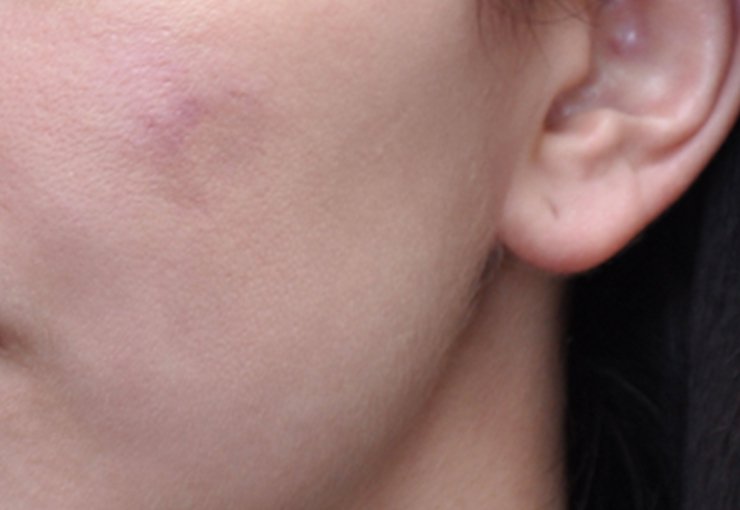
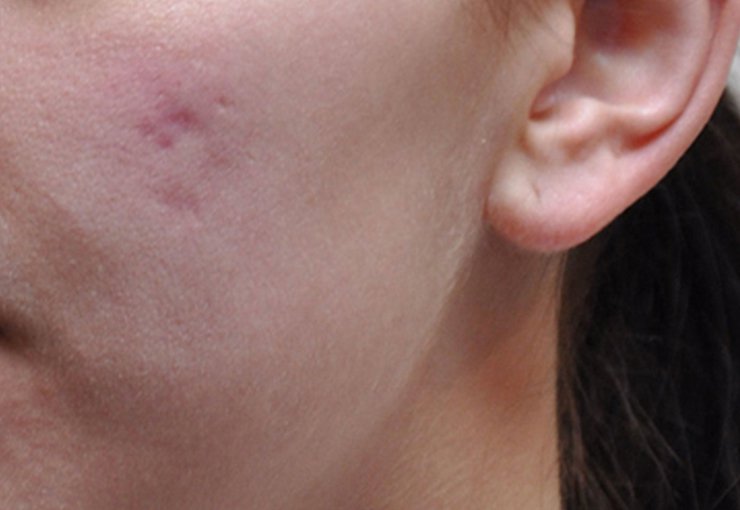
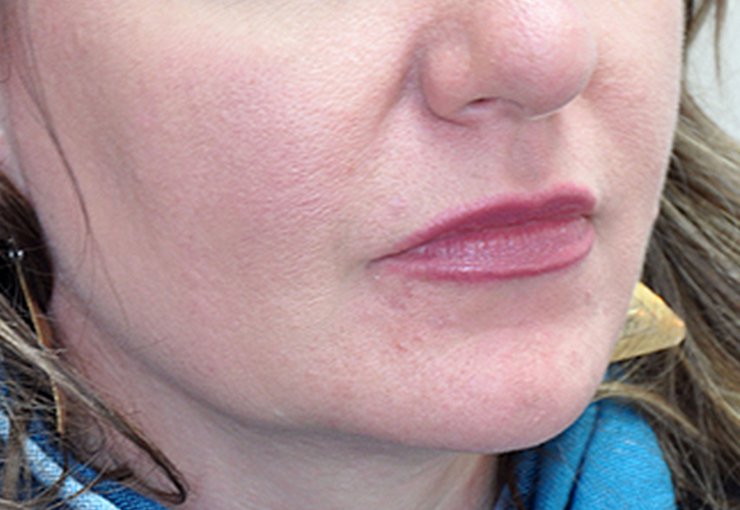
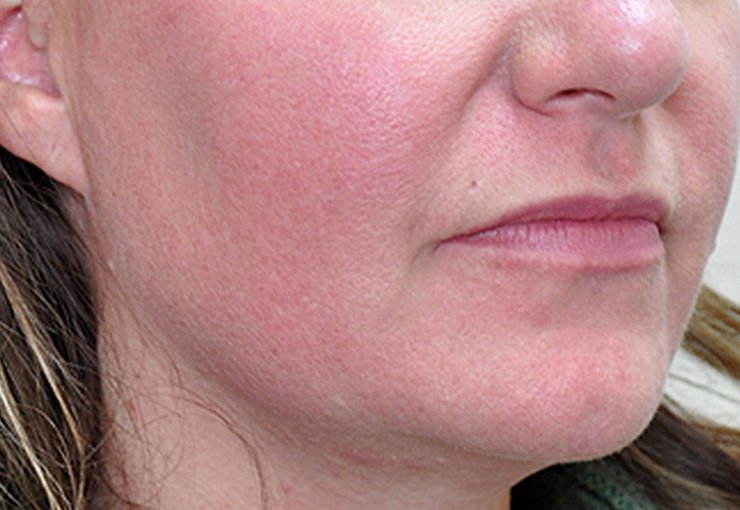
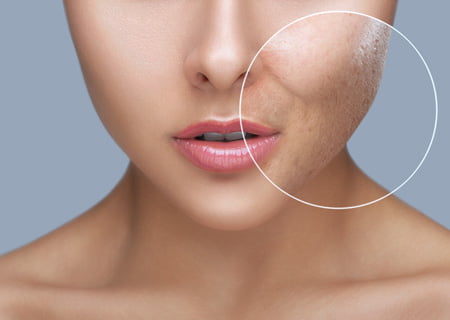
More than 80% of the population is affected to some degree during their teen years, twenties and even into their thirties with a skin condition called acne. For most, it will be a somewhat distressing temporary condition that leaves no significant lasting effects. For others, acne can result in scarring that is disfiguring and affects self image in a negative way for the rest of their lives.

Though there are a variety of topical products that may somewhat improve mild scarring, most acne scars require treatment with laser skin resurfacing, injectable fillers, and/or surgical procedures. Most of these treatments provide long-lasting or permanent smoothing out and lightening of the acne scar. Some treatments also even control future breakouts.

Treatment of acne scarring is often dependent on the size, shape and depth of the scar since some treatments are more effective on certain types of scarring. Accutane use, though very effective in controlling active outbreaks, can be detrimental to many treatments for scarring and should be discussed with your doctor prior to treatment

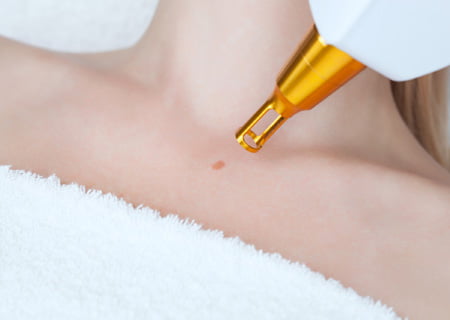
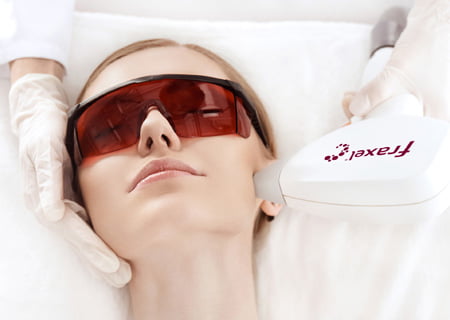
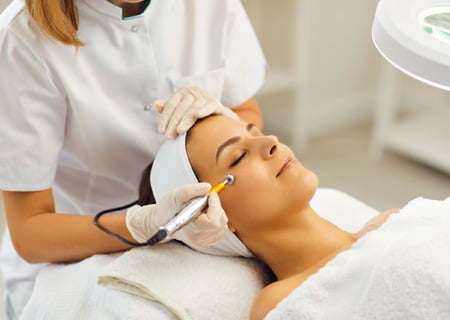
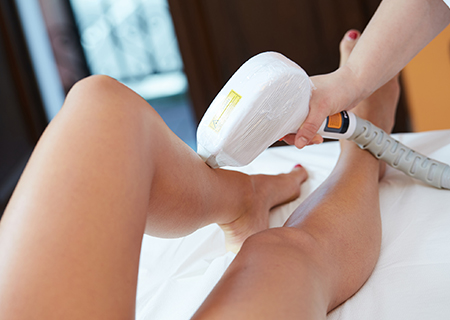
With the introduction of fractional resurfacing technology such as the new Fraxel laser, treatment of acne scars has become effective and easy. Laser skin resurfacing takes less time and allows penetration of the skin layers to be more controlled than in some other methods. Because only small "fractions" of the skin's surface are treated, laser resurfacing results in less downtime and an easier recovery. Results from treatment with the Fraxel are dramatic and may take four to six visits to achieve desired results.

Another mode of treatment for acne scarring is injectable therapy. This method involves injecting material such as Restylane, under the scar to plump up the surface to the level of the skin around the scar.
Though this treatment needs to be repeated to maintain the desired effect, the procedure is simple with little discomfort and the results are immediate.

Punch techniques are minimally-invasive surgical procedures that can be highly effective in improving the appearance of acne scarring. There are three types of punch excision and they all use a punch biopsy tool to correct deep acne scars.

Punch excision removes the base of the scar, and the skin is then closed with sutures and allowed to heal. Punch elevation uses the punch tool to remove the base of the scar which is then sutured to the surrounding skin. Punch replacement involves the removal of the scarred skin which is then replaced with a skin graft (most commonly from behind the ear).


These punch techniques are often combined with laser resurfacing to even out the surface and tone of the skin and are highly effective in improving the appearance of the skin.
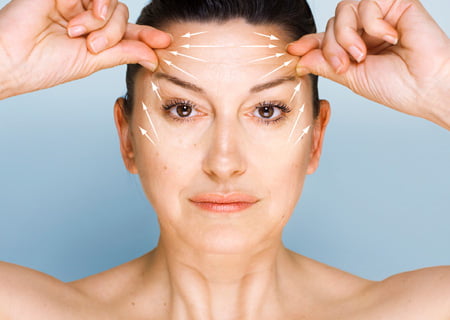
For some scars, a surgical procedure that will detach the scar from deeper connective tissue may be required. This procedure is called subcision and usually requires one to three treatments. Bruising and swelling may last up to two weeks. This acne scar treatment is also usually combined with laser resurfacing for optimal results.

Contact our offices today to find out which acne scar treatments may the solution for you. Dr. Kristina Zakhary, Facial Cosmetic Surgeon practicing in Calgary Canada will determine the best plan for treatment according to your individual needs and goals.

Ask a Question

Content on this page requires a newer version of Adobe Flash Player.

Get Adobe Flash player

Before-After Pictures

Acne

Acne

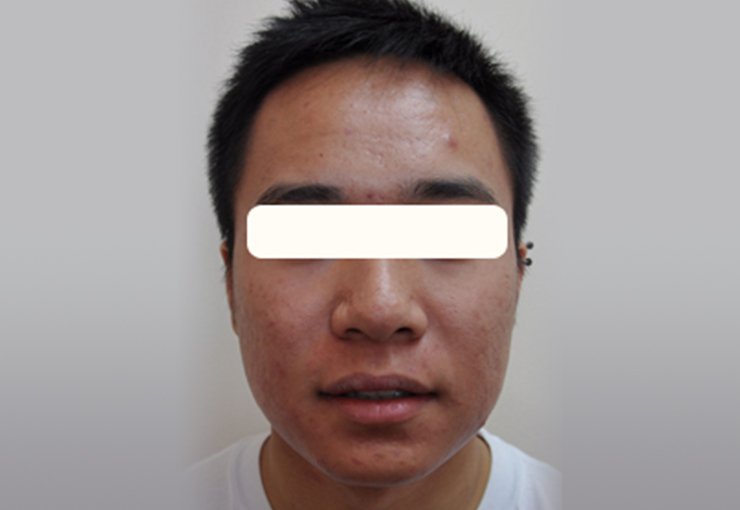
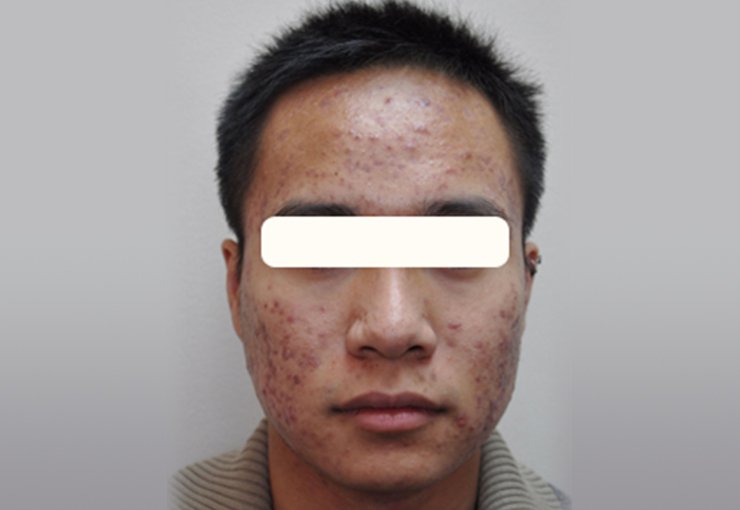
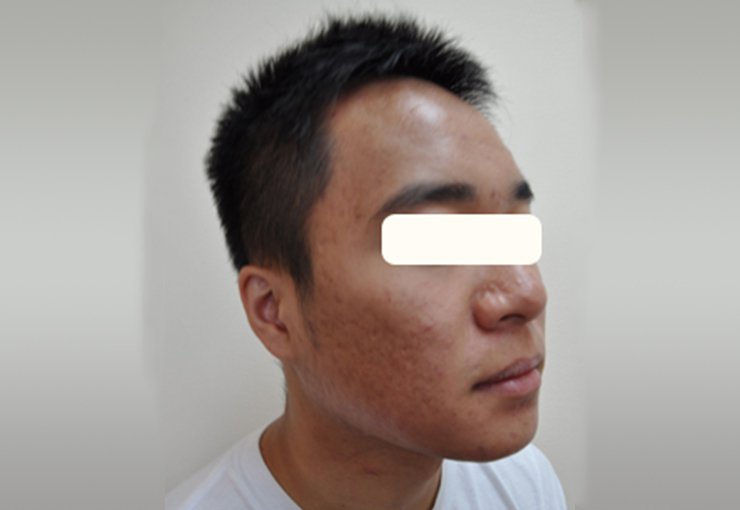
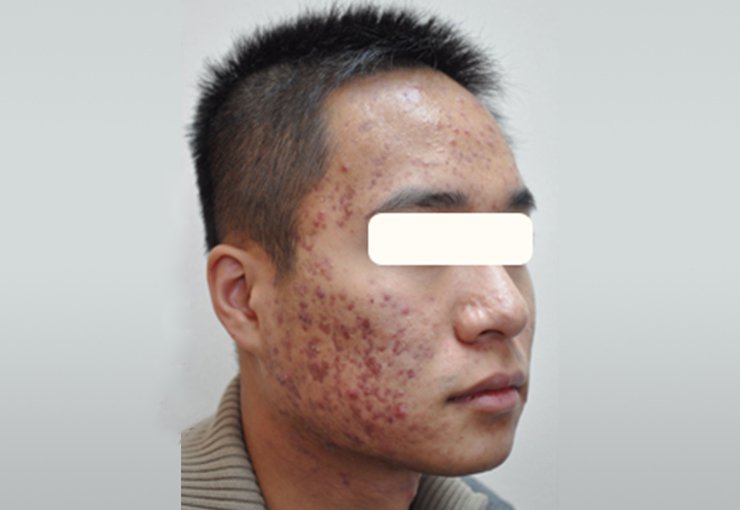
Obagi and Fraxel Combo
for treatment of Acne and Acne Scars

Acne

Dr. Zakhary skillfully performs a punch excision to revise a pitted acne scar

Restylane

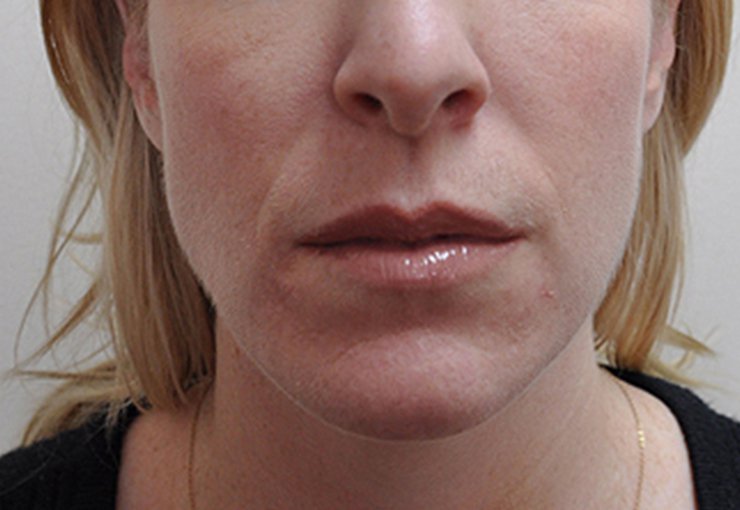
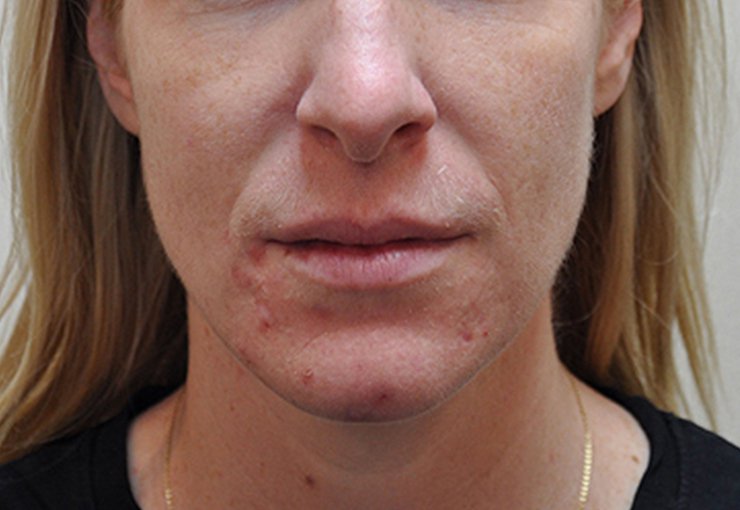
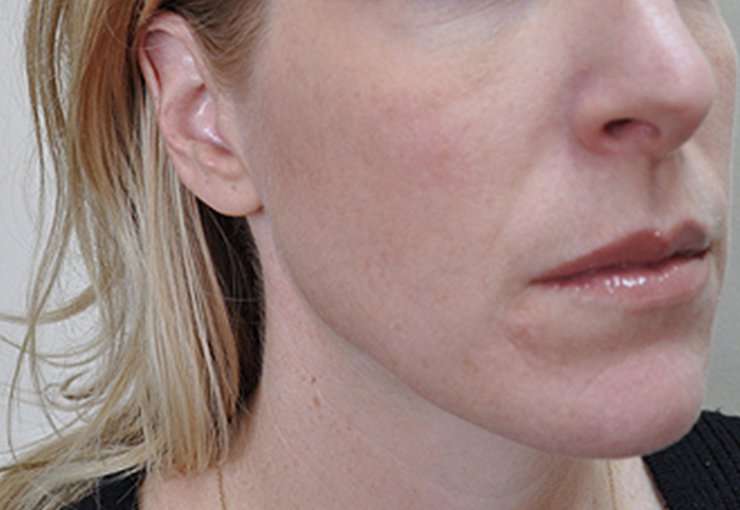
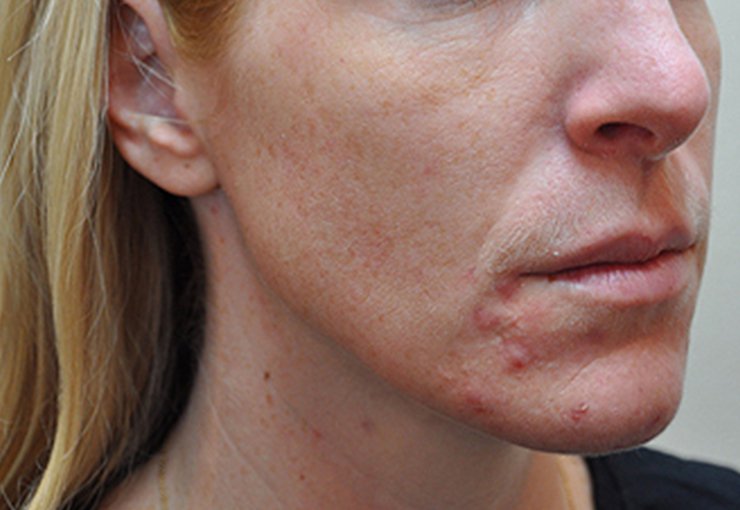
Dr. Zakhary expertly fills depressed acne scars with Restylane to make them less obvious.


Restylane

Restylane

Dr. Zakhary combines medical skin therapy,
a nd medications to improve the appearance
of acne on the face

For Men For Men

Aging of the skin in men occurs in the same way as it does for women.
Although aging may be caused by the same factors, the rate at which it does so, researchers have recently discovered, is different.

The good news is that the majority of premature aging is completely preventable.

Read more...